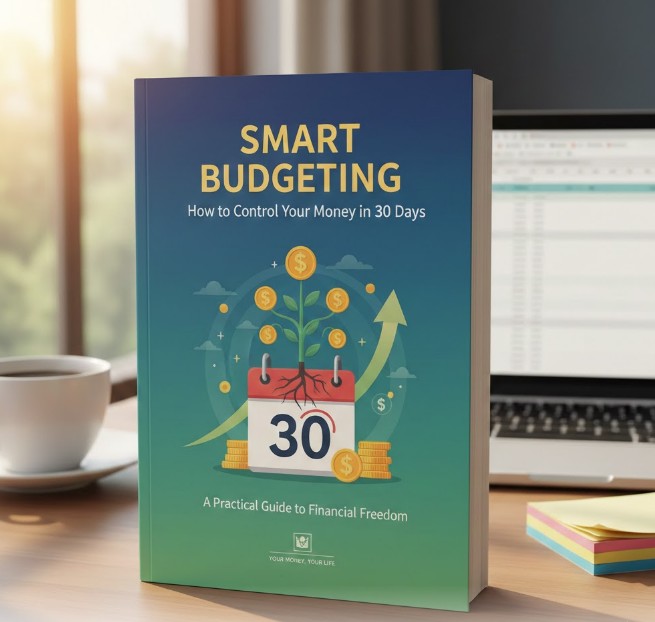
Managing your finances can feel overpowering, but with a organized arrange, anybody can take control of their cash. Shrewd budgeting is not fair approximately following expenses—it’s approximately making monetary opportunity and diminishing stretch. This article will direct you through significant steps to pick up full control of your accounts in fair 30 days.
Why Keen Budgeting Matters
Financial education is fundamental in today’s fast-paced world. Without a budget, it’s simple to overspend, gather obligation, and miss openings to spare or contribute. Shrewd budgeting permits you to:
- Track your costs accurately
- Identify inefficient spending
- Save for crises and future goals
- Reduce money related stress
By committing to a 30-day budgeting arrange, you can make enduring propensities that change your budgetary life.
Step 1: Analyze Your Current Money related Circumstance (Days 1–3)
Start by understanding where your cash is going.
- List your pay sources: compensation, independent work, or inactive income.
- Track your costs: utilize apps like Mint or YNAB, or a basic spreadsheet.
- Categorize investing: basics (lease, basic supplies), non-essentials (excitement, feasting out), and debts.
This clear picture makes a difference you distinguish zones for change and sets the organize for your 30-day plan.
Step 2: Set Practical Budgetary Objectives (Days 4–6)
Having quantifiable objectives spurs you to adhere to your budget. Illustrations include:
- Save $500 in 30 days
- Pay off credit card obligation by 10%
- Reduce optional investing by 20%
Write your objectives down and survey them every day. This guarantees your budgeting remains deliberate and focused.
Step 3: Make a 30-Day Budget (Days 7–10)
A straightforward, significant budget is key. Attempt the 50/30/20 rule:
- 50% Fundamentals: lease, bills, groceries
- 30% Non-Essentials: excitement, hobbies
- 20% Reserve funds & Obligation Reimbursement: crisis finance, loans
Allocate each dollar to a category. Apps like PocketGuard or Goodbudget make it less demanding to adhere to your plan.
Step 4: Diminish Superfluous Costs (Days 11–20)
Now it’s time to cut back where possible:
- Cancel unused subscriptions
- Limit eating out or drive purchases
- Shop keen: utilize coupons, cashback apps, or purchase in bulk
- Avoid way of life inflation—just since you win more doesn’t cruel you ought to spend more
Even little changes can free up noteworthy stores for investment funds or obligation repayment.
Step 5: Mechanize Your Accounts (Days 21–25)
Automation diminishes the enticement to overspend. Set up:
- Automatic reserve funds exchanges to a isolated account
- Automatic charge installments to dodge late fees
- Recurring obligation installments to chip absent at credits consistently
Automation guarantees your budgetary objectives remain on track without consistent effort.
Step 6: Audit and Alter Your Budget (Days 26–30)
The final step is reflection and optimization:
- Compare genuine investing to your budget
- Identify ranges where you overspent and adjust
- Celebrate your wins—every dollar spared is progress
- Plan for the following month based on insights
Budgeting is not a one-time task—it’s a nonstop handle that gets simpler over time.
Extra Tips for Keen Budgeting
- Use cash for optional investing: makes a difference check overspending
- Track day by day costs: little propensities lead to enormous results
- Set crisis stores to begin with: at slightest 3 months of living expenses
- Stay spurred: visualize your goals—new car, get-away, obligation freedom
Conclusion
Smart budgeting in 30 days is conceivable if you take after a clear, organized approach. By analyzing your accounts, setting practical objectives, making a budget, diminishing pointless costs, robotizing installments, and checking on routinely, you can take control of your money.
Financial flexibility isn’t around how much you earn—it’s almost how well you oversee what you have. Begin your 30-day shrewd budgeting travel nowadays and observe your accounts change.
About the Author